
According to Harvard Business Review, Influencer marketing is now a $24 billion industry, so brands are throwing more money than ever into creator partnerships. Platforms like Upfluence paved the way for discovery and tracking, but the industry has moved fast, and “standard” isn’t always good enough anymore.
While Upfluence is a big name, I hear the same complaints constantly: the pricing is steep, the annual contracts feel like a trap, and the interface can be clunky. If you’re tired of paying for features you don’t use or feeling locked into a rigid system, it’s time to look at what else 2026 has to offer.
What Are the Best Upfluence Alternatives?
The truth is, there’s no shortage of influencer platforms in 2026, but they definitely aren’t all created equal. Some are built as massive command centers for enterprise teams, while others are designed to be fast, scrappy, and easy to use if you’re just trying to get a campaign off the ground without a three-month onboarding process.
I’ve spent a lot of time poking around these dashboards, and the “best” one really depends on whether you’re looking for a deep data firehose, a slick CRM for relationship building, or something that just plugs straight into your Shopify store and works. After looking at the features, the actual day-to-day usability, and (of course) the price tags, here are the 10 Upfluence alternatives that are actually worth your time right now:
1. Influencer Hero
Overview
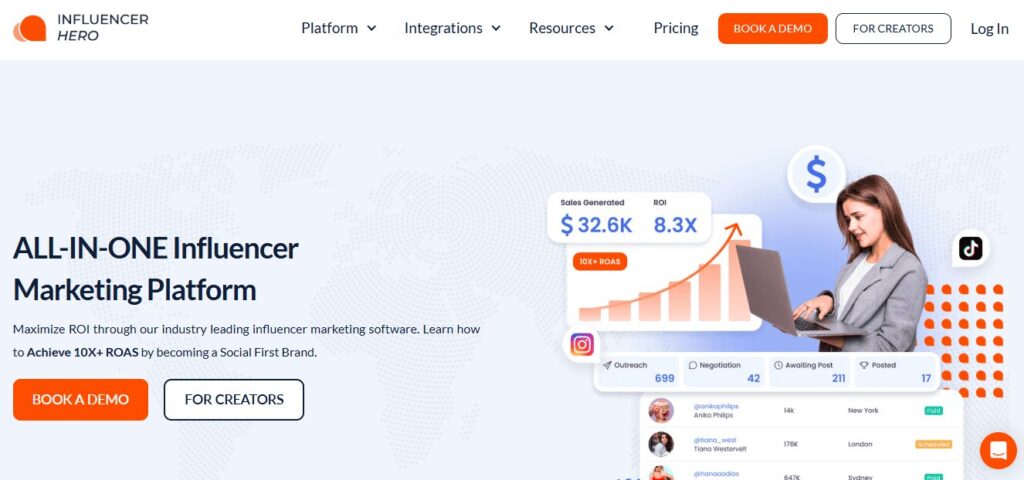
Influencer Hero is an all-in-one influencer marketing software that manages everything from the initial “hello” to the final ROI report without making you jump between five different browser tabs.
I find it particularly impressive because it bridges the gap between finding a cool creator and actually seeing how many sales they drove. It’s built for brands that want to grow a repeatable “engine” for content rather than just running a one-off campaign and hoping for the best.
Key Features
- Massive creator discovery database with hyper-specific filters
- Automated outreach sequences that don’t look like “bot” mail
- Full CRM to track every conversation and contract in one spot
- Native Shopify and WooCommerce sync for real-time sales tracking
- Automatic UGC collection so you never lose a high-res asset
- Affiliate link and discount code generation on the fly
- Creator storefronts to give your partners a professional “home”
Pricing
The pricing is actually transparent, which is a breath of fresh air in this industry. You’ve got the Standard plan at $649/month, Pro at $1,049/month, and the Business tier at $2,490/month—all of which offer way more flexibility than the old-school annual contract model.
What I Like / Dislike About Influencer Hero
I love that this platform doesn’t treat UGC like a separate, forgotten folder. Having your creator relationships, content assets, and Shopify revenue data all talking to each other saves a massive amount of manual data entry.
However, the sheer depth of the tool means you can’t just “plug and play” in five minutes. If you want to use the advanced automations effectively, you’ll need to sit down and actually map out your workflow first.
I’m also a fan of the monthly billing option. Most enterprise tools force you into a 12-month marriage before the first date, but here you can actually scale your spend as your results improve.
Who Is This For?
This is the go-to for e-commerce brands and fast-moving agencies that are tired of spreadsheets. If you need a system that handles the “boring” admin work so you can focus on building actual relationships, this is your best bet.
2. Modash
Overview
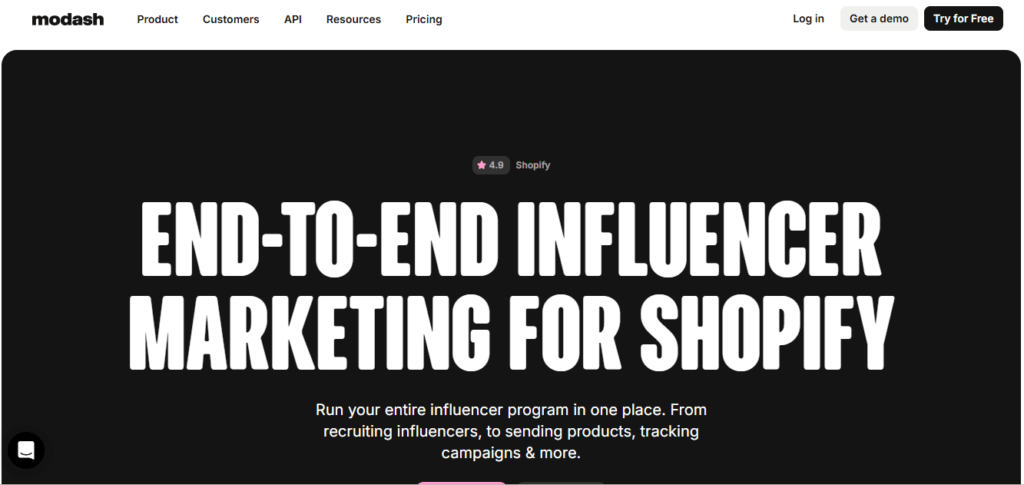
Modash is essentially the “Google” of influencer discovery, boasting a database that feels like it covers every corner of the internet. It doesn’t require influencers to “sign up” to be seen, which means you get access to authentic creators who aren’t even on other platforms yet.
It’s built for the “hunter” who wants to find that one-in-a-million creator in a specific niche or location. If your main bottleneck is finding fresh faces to talk to, this is the specialized tool that solves that specific headache.
Key Features
- Database of 350M+ profiles across Instagram, TikTok, and YouTube
- In-depth audience “fake follower” and bot detection
- Search by specific interests, locations, or even “looks like” filters
- Bulk outreach tools to contact hundreds of leads at once
- “Find Your Fans” tool to see which influencers already follow your brand
- Simplified campaign monitoring to see who actually posted
Pricing
Modash is much more accessible for smaller teams, with plans starting around $199 to $299/month for the Essentials tier. If you’re scaling up, the Performance plan at $499/month adds the extra horsepower most growing brands need.
What I Like / Dislike About Modash
The search capability is hands-down the best in the business. You can find a micro-influencer in a specific city with a specific interest in under ten seconds, which is a huge time-saver.
The downside is that it’s very much a “discovery-first” tool. While it has some campaign tracking, it lacks the deep CRM and e-commerce fulfillment features you’d find in a full-suite platform like Influencer Hero.
I also really like the “Find Your Fans” feature. It’s much easier to close a deal with a creator who already likes your product than it is to cold-pitch a total stranger.
Who Is This For?
Modash is perfect for data-heavy teams who handle their own logistics but need a massive firehose of new leads. It’s the best choice for brands that prioritize finding the right talent over managing the nitty-gritty of shipping and payments.
3. Captiv8
Overview
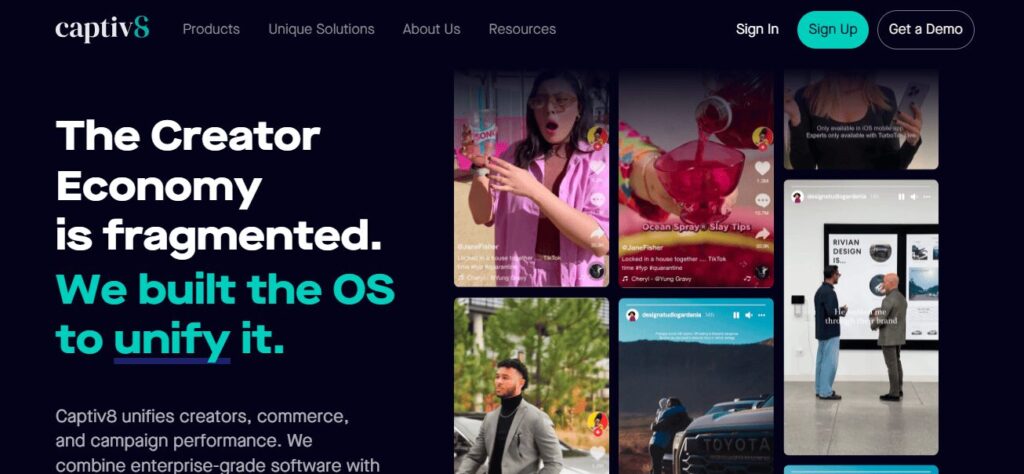
Captiv8 is a heavy-hitter enterprise platform designed for the world’s biggest brands running global, multi-million dollar campaigns. It’s less of a tool and more of a command center, offering levels of data depth that most small businesses would find overwhelming.
Everything about the platform screams “scale,” from its social listening capabilities to its complex budget tracking. If you’re managing a team of twenty people across three continents, this is the kind of infrastructure you need.
Key Features
- Comprehensive global creator database with historical performance data
- Social listening tools to track brand sentiment and competitors
- Enterprise-grade budget and spend management
- Customizable reporting dashboards for C-suite presentations
- Built-in content rights management for paid ad amplification
- End-to-end affiliate and referral tracking
Pricing
Captiv8 price is custom, but expect to start around $25,000 per year. It’s a significant investment that usually involves a hefty onboarding fee and a long-term commitment.
What I Like / Dislike About Captiv8
The reporting is beautiful and incredibly detailed. If you need to prove the ROI of a massive campaign to a board of directors, these are the charts you want to be showing them.
The obvious catch is the price and the complexity. For a smaller brand, it’s like trying to fly a Boeing 747 when all you needed was a bicycle—it’s just too much machine for simple tasks.
I also appreciate the social listening aspect. Being able to see what people are saying about your competitors while you plan your own influencer strategy gives you a massive tactical advantage.
Who Is This For?
This is strictly for enterprise marketing teams and global agencies. If you have a massive budget and need a tool that handles high-level strategy and legal compliance, Captiv8 is the standard.
4. HypeAuditor
Overview
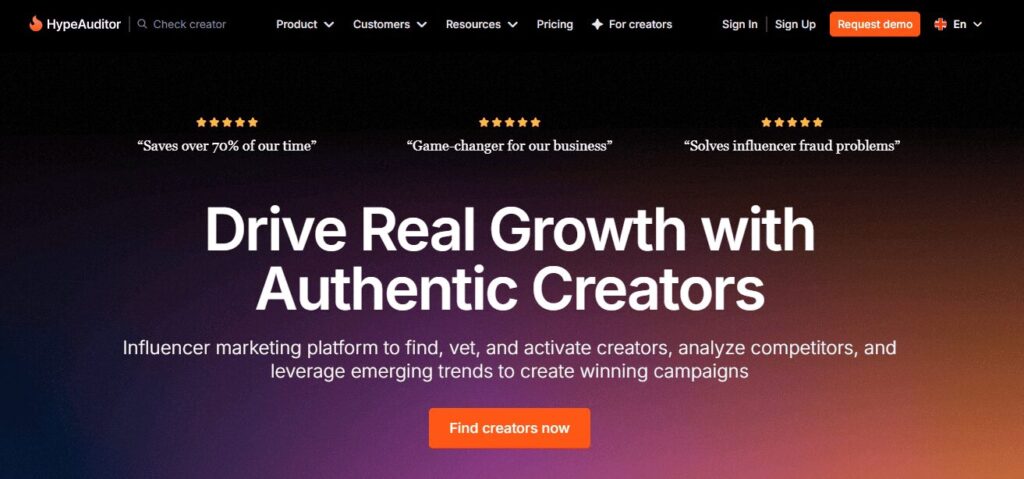
HypeAuditor is essentially the “lie detector test” of the influencer world. While other platforms focus on just finding people, this one focuses on making sure those people actually have the audience they claim to have.
It uses some pretty heavy AI to sniff out fake engagement and bot-filled comment sections. If you’ve ever been burned by an influencer with 100k followers but zero actual influence, this tool was built specifically to stop that from happening again.
Key Features
- Industry-leading fraud and fake follower detection
- Audience quality scores for every profile
- Deep demographic breakdowns (age, gender, location, interests)
- Competitor benchmarking to see who your rivals are hiring
- Social listening to track brand mentions across the web
- Recruitment tools based on performance data
Pricing
They don’t put a “buy now” button on the site, but you’re generally looking at starting around $10,000 per year. It scales up based on how many reports you need to run and how many seats your team requires.
What I Like / Dislike About HypeAuditor
The data transparency is the best part of the platform. You get a real sense of security knowing exactly what percentage of an influencer’s audience is actually reachable and real.
The downside is that the interface is quite technical and can feel a bit clinical. It’s not the most “creative” workspace, and it takes a minute to learn what all the different metrics actually mean for your bottom line.
I also love the competitor analysis feature. Being able to see exactly which creators are working for your direct competition—and how those campaigns are performing—is basically a cheat code for your own strategy.
Who Is This For?
This is for the data-obsessed marketer who values quality over quantity. If your primary goal is avoiding “vanity metrics” and ensuring every dollar goes toward real human eyeballs, HypeAuditor is your tool.
5. CreatorIQ
Overview
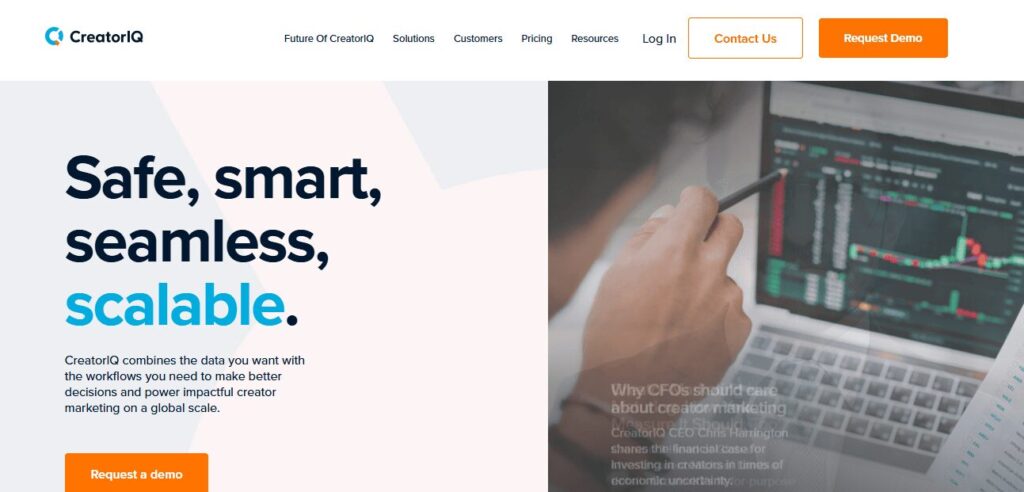
CreatorIQ is another enterprise giant that prides itself on being the “system of record” for massive companies. Unlike some tools that scrape data from the outside, they use official API integrations to get the most accurate, “insider” look at creator stats.
It’s a very robust, professional environment designed to handle thousands of creators at once. If you’re at the stage where your influencer program is a core pillar of your global marketing, this platform provides the stability you need.
Key Features
- Direct API integrations for highly accurate data
- Private “Creator Cloud” to manage your own talent network
- Advanced campaign forecasting and ROI modeling
- Global payment processing in multiple currencies
- Automated “brand safety” flagging for risky content
- Integrated content approval workflows
Pricing
This is a high-end enterprise solution, usually starting at $35,000 per year and going up significantly. They specialize in multi-year contracts and high-touch support for large teams.
What I Like / Dislike About CreatorIQ
The data reliability is the biggest “pro” here. Because they use official APIs, you aren’t guessing about story views or link clicks—the numbers are as real as they get.
However, the platform can feel a bit rigid and “corporate.” If you’re a small, scrappy brand that needs to move fast and change things on the fly, the enterprise-grade permissions and workflows might actually slow you down.
I also really like the private network feature. It allows you to build a walled garden of your favorite creators, making it much easier to manage long-term relationships without starting from scratch every time.
Who Is This For?
CreatorIQ is for the big players—think Fortune 500 companies or global agencies. It’s for teams that need high-level security, accurate data, and a way to pay 500 influencers at once without losing their minds.
6. Later
Overview
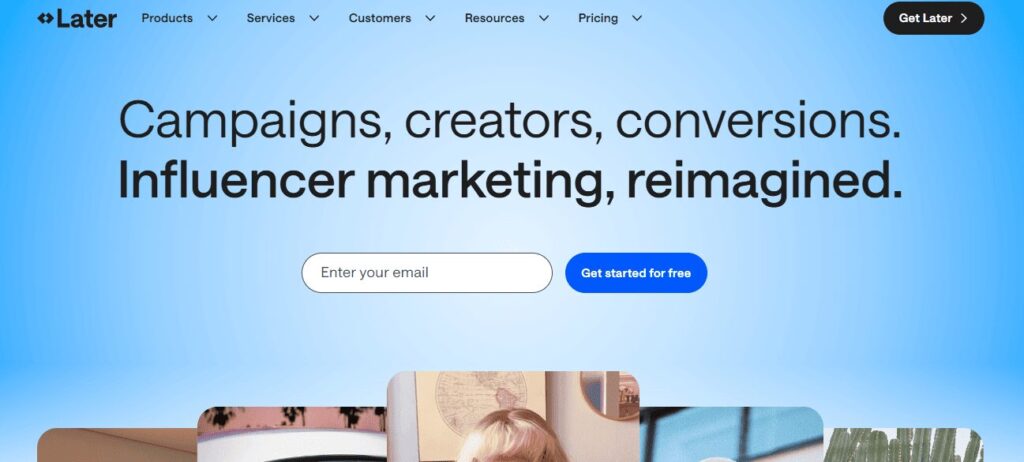
Most people know Later as a social media scheduler, but they’ve expanded into a surprisingly solid influencer platform. It’s a smart move because it allows you to plan your own content and your creator campaigns in the same visual calendar.
It’s very much focused on the “visual” side of social media, so it’s a natural fit for brands that live and die by Instagram and TikTok. If your workflow is already centered around content creation and scheduling, adding their influencer tools feels like a seamless upgrade.
Key Features
- Unified calendar for both brand and creator content
- “Linkin.bio” integration to turn influencer posts into sales
- Visual content library for easy asset management
- Simple outreach and campaign tracking tools
- Creator database focused on visual niches
- Media kits and performance reporting
Pricing
While they have cheap social media plans, the full influencer suite is an enterprise-level jump. You’re looking at a starting point of about $28,500 per year for the full feature set.
What I Like / Dislike About Later
The user interface is beautiful and incredibly intuitive. If you’re a visual person, being able to drag and drop content and see your campaign feed before it goes live is a huge plus.
The downside is the onboarding time and the price jump. It’s a bit of a shock to go from a $50/month scheduling tool to a $2,000+/month influencer platform, and getting everything synced up takes a few weeks.
I also like the media library. Having all your influencer-generated content automatically sorted and ready to be re-posted to your own feed saves hours of manual downloading.
Who Is This For?
Later is best for lifestyle, fashion, or beauty brands where the “vibe” of the content is everything. It’s perfect for teams that want to bridge the gap between social media management and influencer outreach.
7. Traackr
Overview
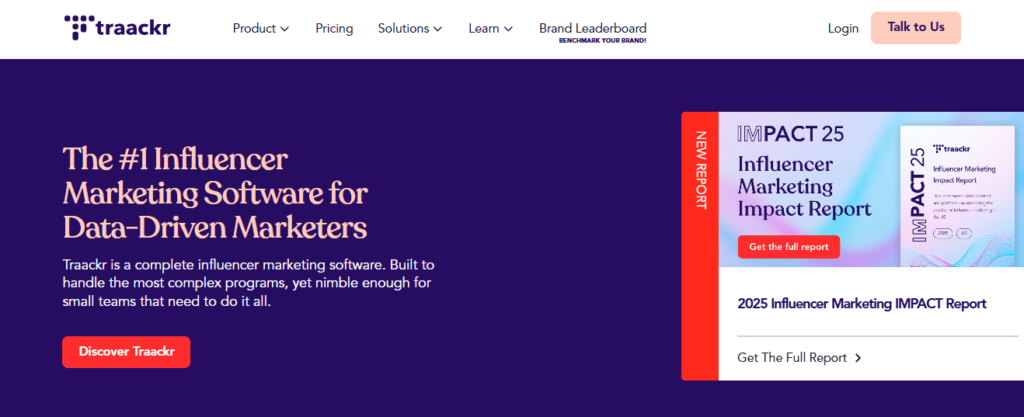
Traackr is all about “Influencer Relationship Management” (IRM). While most platforms focus on the “transaction” of buying a post, Traackr is built for brands that want to build long-term friendships with creators over several years.
It’s very performance-driven, helping you figure out which partners are actually moving the needle so you can double down on them. It’s the platform you get when you’re ready to stop doing “one-offs” and start building a real brand community.
Key Features
- Deep CRM specifically for influencer relationships
- Spend and budget optimization tools
- Tiered influencer tracking (nano vs. macro performance)
- Affiliate tracking and commission management
- Historical relationship data for every creator
- Advanced ROI and attribution reporting
Pricing
Traackr is a premium service, usually starting at $32,500 per year. They focus on annual or multi-year partnerships and provide a lot of hands-on strategy support.
What I Like / Dislike About Traackr
The relationship tracking is top-tier. Being able to see the entire history of every interaction your brand has ever had with a creator—even across different team members—is invaluable.
The drawback is that it’s definitely not for beginners. The platform is incredibly dense with data and features, and if you don’t have a dedicated person to manage it, most of it will go to waste.
I also really appreciate the budget optimization tools. It helps you see which “types” of influencers are giving you the best bang for your buck, so you aren’t just throwing money at big names with low returns.
Who Is This For?
This is for serious, performance-oriented marketing teams. If you’re focused on ROI and want to manage a complex web of long-term partnerships, Traackr is the most sophisticated tool for the job.
8. Aspire
Overview
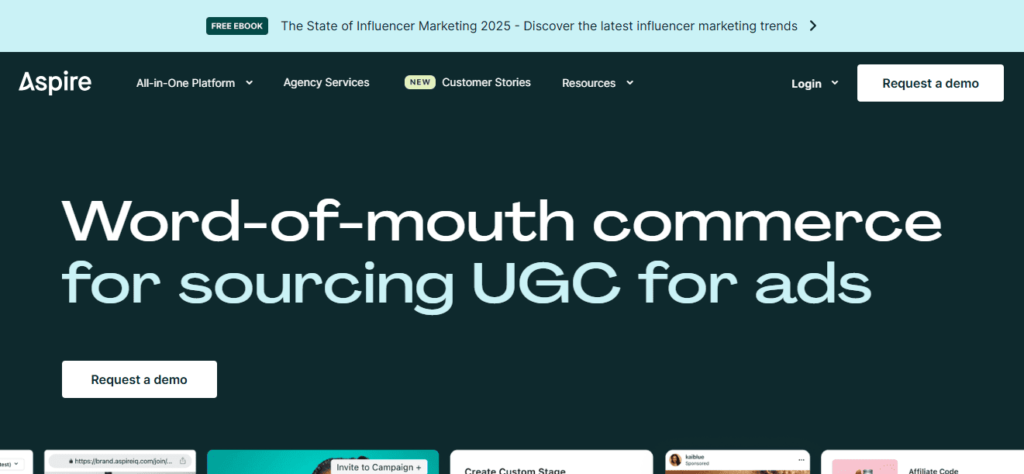
Aspire (formerly AspireIQ) is a giant in the space that focuses heavily on the “community” aspect of influencer marketing. They were one of the first to lean into the idea that your best influencers are often your own customers or fans.
They offer a massive marketplace where creators can actually apply to work with you. This flips the script on outreach—instead of you chasing people, they come to you, which usually leads to much higher enthusiasm for the brand.
Key Features
- Active creator marketplace for inbound applications
- Streamlined product gifting and tracking
- UGC licensing and rights management
- Automated campaign workflows and checklists
- Affiliate and sales tracking integrations
- Customizable creator “landing pages” for applications
Pricing
Aspire usually starts around $2,000 per month, but they almost always require an annual contract. It’s a significant step up from mid-market tools and is priced for established e-commerce teams.
What I Like / Dislike About Aspire
The marketplace is a huge time-saver. It’s much easier to pick the best applicants who already like your brand than it is to send 500 cold emails and hope for a 1% response rate.
The downside is the lack of flexibility in their contracts. If you’re a brand that has seasonal peaks and valleys, being locked into a high-priced annual fee can feel a bit restrictive.
I also like their product gifting workflow. It automates the “logistics nightmare” of collecting addresses and tracking shipments, which is usually the part of influencer marketing that everyone hates.
Who Is This For?
Aspire is the “gold standard” for mid-to-large e-commerce brands that want to run a high volume of campaigns. It’s perfect for teams that want to turn their influencer program into a community of brand ambassadors.
9. GRIN
Overview
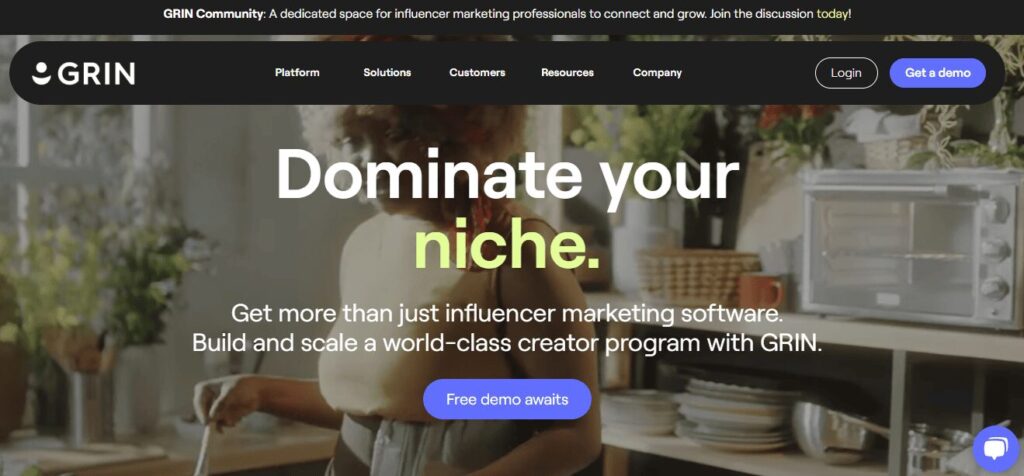
GRIN is built specifically for the Direct-to-Consumer (DTC) world. It’s designed to look and feel like a standard CRM (like Salesforce), but tailored entirely for the unique chaos of managing influencers.
It’s famous for its deep integrations with Shopify, allowing you to handle everything from shipping samples to tracking sales without ever leaving the dashboard. If you’re a DTC brand on Shopify, this platform was basically made for you.
Key Features
- Deep Shopify, Magento, and WooCommerce integrations
- Automated product fulfillment and shipping tracking
- Email integration that uses your own domain (not a proxy)
- Creator payment and tax document management
- Performance tracking tied directly to your store’s revenue
- Content library for managing all creator assets
Pricing
Pricing generally starts around $2,500/month with an annual commitment. It’s positioned as a premium tool for brands that are already doing significant volume.
What I Like / Dislike About GRIN
The email integration is a subtle but massive win. Because the emails come from your actual account, they don’t get caught in spam filters nearly as often as the “masked” emails other platforms use.
The downside is that the platform can occasionally feel a bit “heavy.” Some users report slow loading times when managing thousands of creators, and the setup process is definitely an investment of time.
I also really like the creator portal. It gives your influencers a professional place to log in, see their tasks, and get their tracking links, which makes your brand look much more organized.
Who Is This For?
GRIN is the best choice for fast-growing DTC brands on Shopify. If your goal is to scale your influencer program into a major sales channel, GRIN provides the “plumbing” to make it happen.
10. Sprout Social
Overview
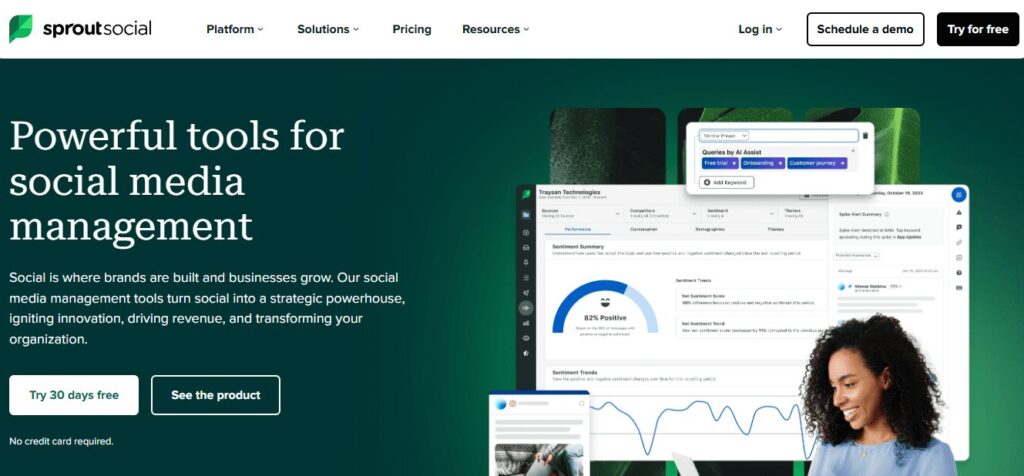
Sprout Social is primarily a social media management powerhouse that has integrated influencer marketing via its acquisition of Tagger. It’s designed for teams that want to keep their entire social strategy—organic, paid, and influencer—under one roof.
The platform is famous for its “Social Listening” and analytics. It helps you find influencers not just by their follower count, but by who is actually driving the conversations that matter to your industry.
Key Features
- Unified social media inbox and scheduling
- Advanced social listening to identify “organic” fans
- Tagger-powered influencer discovery and vetting
- Detailed cross-channel reporting
- Collaborative content calendar
- Paid media amplification tools
Pricing
Sprout’s pricing is per-user, starting at $1,599 per month for the “Total Social” package that includes influencer tools. It’s an annual commitment that can get expensive as you add more team members.
What I Like / Dislike About Sprout Social
The social listening tools are world-class. Being able to find an influencer because they’re already participating in a trending conversation related to your brand is much more effective than cold searching.
The downside is that it’s a “jack of all trades” platform. While the influencer tools are good, they aren’t as deeply specialized as something like Influencer Hero or GRIN when it comes to things like e-commerce fulfillment.
Their unified reporting is great too. Being able to see your organic posts, your paid ads, and your influencer results in one single dashboard gives you a much clearer picture of your overall brand health.
Who Is This For?
Sprout Social is perfect for larger marketing teams that are already using it for social media management. It’s the best choice for brands that want a holistic, “all-in-one” view of their social presence.
Wrapping up
While Upfluence is a solid name, it’s clearly not the only game in town in 2026. Whether you need the massive discovery power of Modash, the e-commerce “engine” of Influencer Hero, or the enterprise stability of CreatorIQ, there’s an alternative that will actually fit your specific workflow.
The “best” platform really just comes down to your biggest pain point. Are you struggling to find creators, or are you struggling to manage the 50 you already have? Once you answer that, picking the right tool becomes a lot easier.

0 Comments